We can define “radiation protection” as the set of measures and procedures put in place to protect humans and the environment from the hazards of ionizing radiation, that is, radiation that can remove electrons from atoms, forming ions.
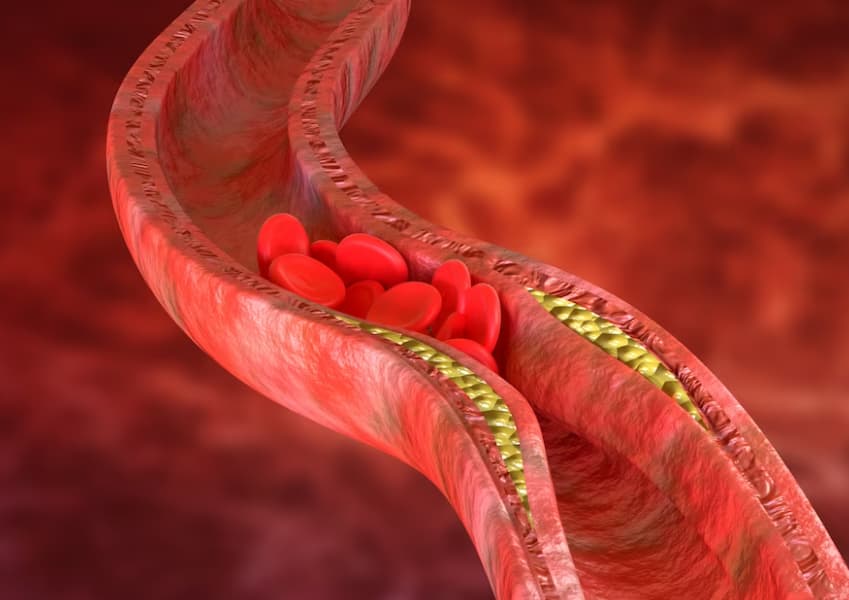
Ionizing radiation can have harmful effects on human health. In the short term, ionizing radiation can cause tissue damage, such as burns, nausea, and vomiting. In the long term, ionizing radiation can increase the risk of developing cancer, cardiovascular disease, and genetic diseases.
That is why radiation protection is critical in all settings where ionizing radiation technologies are used. And there are more and more of them.
Underlying the concept of radiation protection we find three basic principles to refer to: justification, optimization, and dose limitation.
Principle of justification
According to the principle of justification, exposure to ionizing radiation is accepted only if the benefits from it outweigh the negative effects it statistically may cause.
In other words: radiation is used if the game is worth the candle. For example, radiation exposure in the medical field is justified because it enables the diagnosis and treatment of diseases. However, radiation exposure in the industrial or research setting must be justified on a case-by-case basis, weighing the potential benefits and risks.
According to this principle, the use of radiation technologies is based on the following factors:
- expected benefits;
- potential risks;
- possible alternatives to practices involving radiation exposure.
If the expected benefits of radiation exposure outweigh the potential risks and there are no feasible alternatives, the use of radiation may be justified. In this way, radiation exposure is limited to what is strictly necessary.
Principle of optimization
Once radiation exposure is justified, it must be optimized: therefore, all possible measures must be taken to minimize exposure.
This principle should be applied in all areas: in the medical field, the principle of optimization applies to radiodiagnostic examinations and treatments, where it involves the use of the most advanced equipment and techniques to minimize the radiation dose received by patients.
In the industrial setting, optimization covers all activities that involve worker exposure to radiation and thus require specific safety measures, such as the use of PPE, the adoption of safer procedures, and the planning of personnel training programs.
Principle of dose limitation
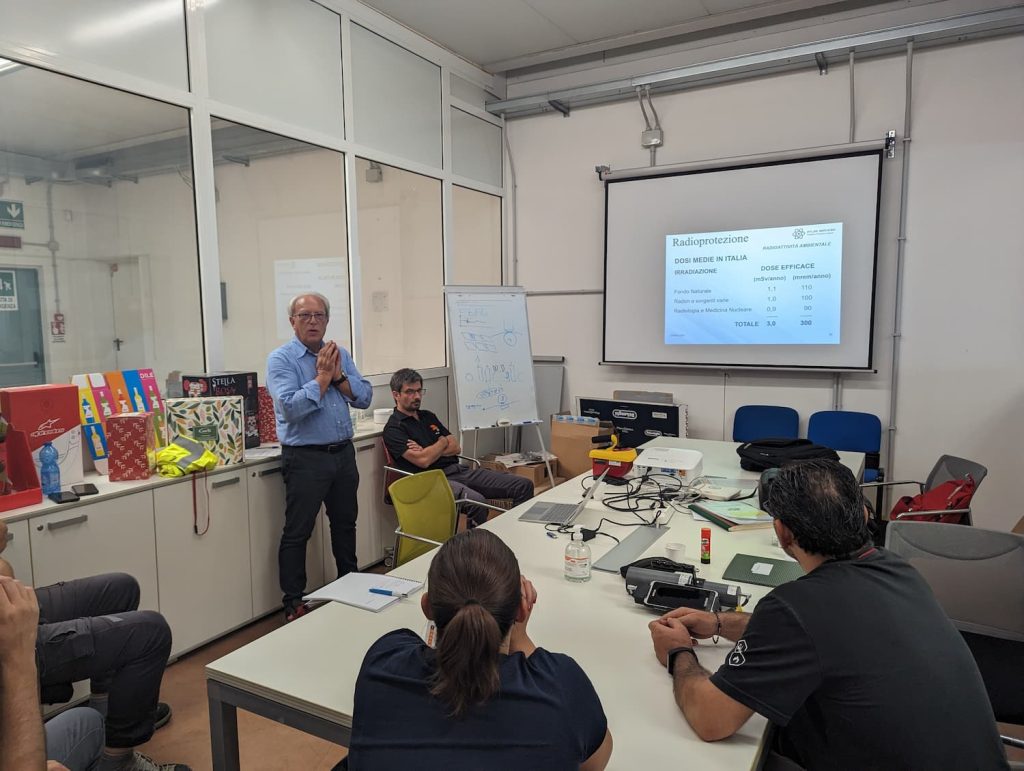
The third basic principle of radiation protection involves strict adherence to prescribed limits for doses of ionizing radiation, which are measured in sieverts (Sv) and may vary depending on the person concerned. In all cases, the limits are set to ensure that exposure to natural and artificial radiation does not significantly increase the risk of developing cancer or other diseases.
Population dose limits
In Italy, the dose limits for the general population are as follows:
- effective dose: 1 mSv/year
- equivalent dose to the lens of the eye: 15 mSv/year
- equivalent dose to the skin: 50 mSv/year
Dose limits for workers exposed to radiation
The dose limits for workers exposed to radiation are as follows:
- effective dose: 20 mSv/year
- equivalent dose to the lens: 15 mSv/year
- equivalent dose to the skin: 50 mSv/year

Dose limits for patients undergoing radiodiagnostic examination or treatment
Here are some examples of dose limits for common radiodiagnostic examinations:
- Chest X-ray: 0.2 mSv
- Mammography: 0.4 mSv
- CT scan of the chest: 5 mSv
- CT scan of the abdomen: 10 mSv
- MRI of the brain: 2 mSv
It is important to keep in mind that, in medical settings, it may be necessary to exceed dose limits to achieve the desired diagnostic or therapeutic result. In such cases, the benefits and risks of radiation exposure must be carefully weighed.
Want more information about radiation protection systems?
Contact us at [email protected]
Call us at +39 0221103454