The convergence of radiation protection and sustainability is not a foregone conclusion, but in today’s context, where environmental responsibility has become a fundamental pillar of business practices, it is more than ever a key concept, and for a variety of reasons.
In this article we analyse these reasons and propose some good practices for companies.
Benefits of integrating eco-friendly practices
The integration of eco-friendly practices into radiation protection procedures brings numerous benefits.
Firstly, such practices help reduce the company’s overall environmental impact: this means lower greenhouse gas emissions, reduced consumption of natural resources and an overall reduction in environmental pollution.
In essence, eco-friendly practices often go hand in hand with improved energy efficiency and reduced operating costs: to all intents and purposes, it improves company profitability and also encourages a more prudent management of resources, including energy and raw materials used in production processes.
What’s more, the adoption of sustainable solutions can help create safer and healthier working environments, reducing negative impacts on staff and the environment.
If we want to identify the requirements of an environmentally sustainable radiation protection system, we have to start with waste management and energy efficiency.
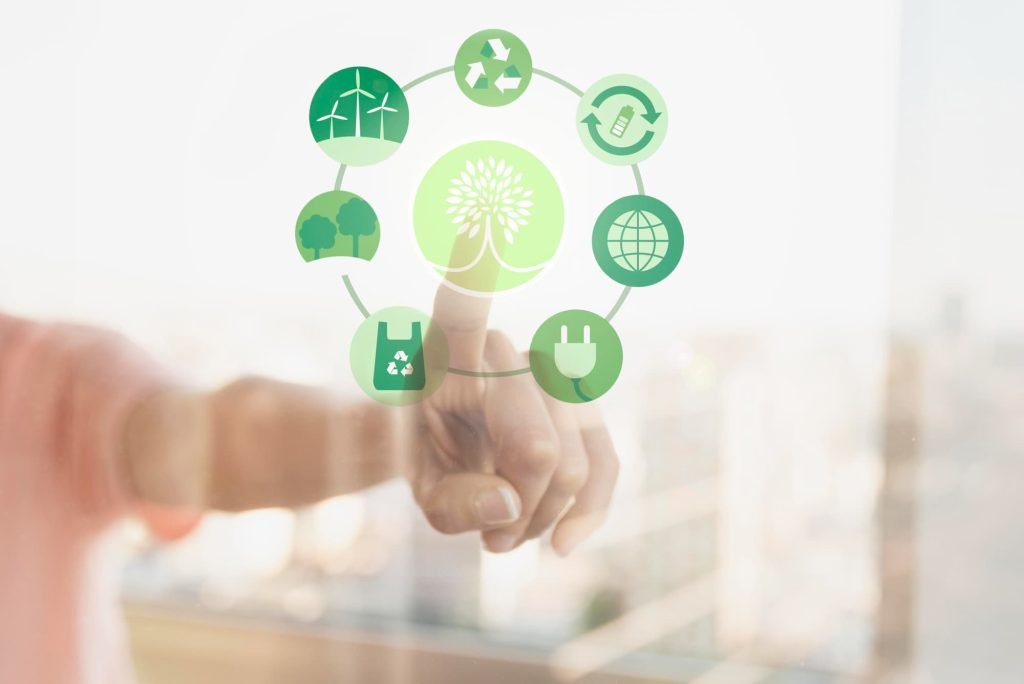
Radioactive Waste Management
The efficient management of radioactive waste is the first step in implementing sustainable procedures.
Below we look at some of the main strategies:
- Minimisation at source, which aims to reduce waste generation from the outset of industrial processes or medical practices involving radiation. This may include process optimisation, efficient use of resources and the adoption of low-emission technologies.
- Recyclability and reuse of materials: when possible, radioactive materials can be recycled or reused in other contexts, reducing the need for final disposal.
- Advanced technologies: investing in state-of-the-art technologies ensures the long-term isolation of radioactive materials to prevent environmental contamination and risks to human health.
- Awareness and education: staff involvement is crucial to ensure compliance with regulations, adoption of best practices and awareness of the impact of radiation-related activities.
Read also: ‘Radiation protection training in companies: investing in skills’
Energy efficiency: optimising the use of resources
Energy efficiency is the ability to achieve the maximum energy result with the lowest possible consumption of resources.
In the scenario in question, energy efficiency may concern the optimisation of medical and industrial imaging devices, water and waste treatment systems, and diagnostic processes using radiation. Again, this requires the use of advanced energy-efficient technologies, constant monitoring of consumption, and the adoption of practices that minimise waste.
Furthermore, promoting the adoption of environmentally sustainable technologies and responsible practices fosters an environmentally conscious and sustainable corporate culture, enhancing the reputation and trust of customers and investors.
The importance of professional counselling
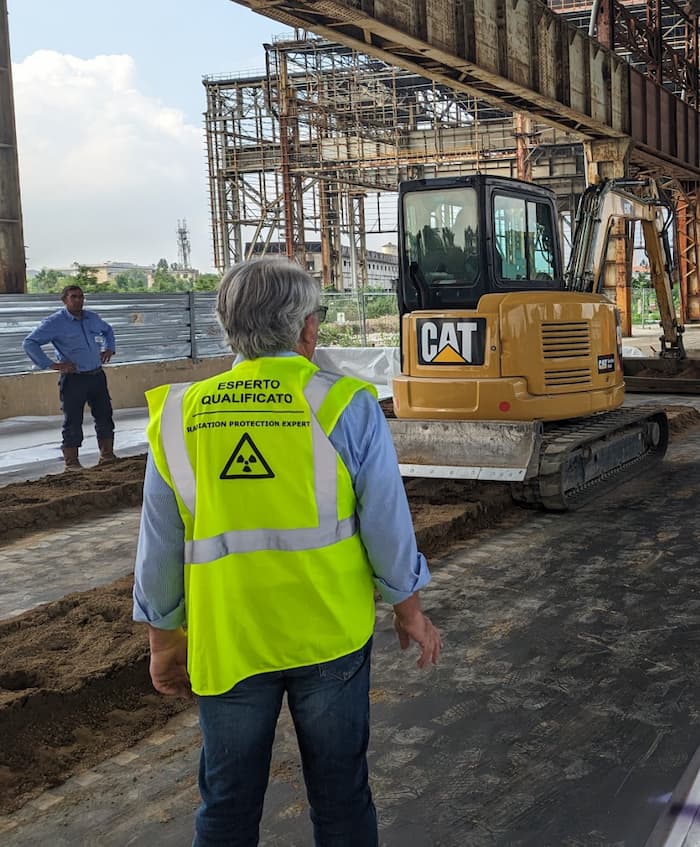
The development of a sustainable radiation protection system requires the involvement of a Radiation Protection Expert. Specifically, he/she performs the following functions:
- It acts as a point of reference for the design, implementation and monitoring of radiological practices that aim to protect human health, the environment and ensure regulatory compliance.
- It contributes to the choice and responsible use of the most suitable radiological technologies, promoting the adoption of low environmental impact and energy efficient equipment.
- It promotes the optimisation of diagnostic and therapeutic procedures to minimise radiation exposure while maintaining quality standards.
- It is responsible for the sustainable management of radiological waste, coordinating the collection, safe disposal and recycling of contaminated materials.
- Collaborates with the relevant authorities to ensure compliance with environmental and radiological regulations, advising on risk assessment and implementation of preventive measures.
- It promotes continuous staff training on radiation protection practices and the responsible use of radiation, raising awareness of crucial issues related to environmental sustainability and public health.
Want more information on this topic?
Contact us at [email protected]
Call us at +39 0221103454