The use of ionising radiation underlies a variety of technologies and there is every indication that applications will be more numerous in the near future, so proper training for personnel directly involved is crucial.
Ionising radiation, if not managed properly, can pose a threat to human health and the environment. In this article we talk about the importance of investing in a suitable vocational training programme
Risks and benefits
The value of targeted radiation protection training is twofold: it not only protects the health and safety of individuals, but also helps to maintain a safe working environment and strict compliance with radiation protection regulations.
On the one hand, the risks associated with ionising radiation include the possibility of excessive exposure, which can cause biological damage, including cancer and genetic damage. In addition, situations of contamination of the environment and surrounding objects may occur. Without proper training, staff may be exposed to hazardous situations with short and long term health impacts.
On the other hand, proper training offers many benefits. First, it reduces the risk of unnecessary exposure through education on protective measures and appropriate use of safety devices. Training enables staff to be made more aware of radiological hazards and promotes safe behaviour. In addition, a well-trained team is able to effectively manage any emergency situations, minimizing potential damage.
In this scenario, appropriate training must necessarily be carried out by a tailor-made programme, taking into account the different characteristics of the individual workplace.
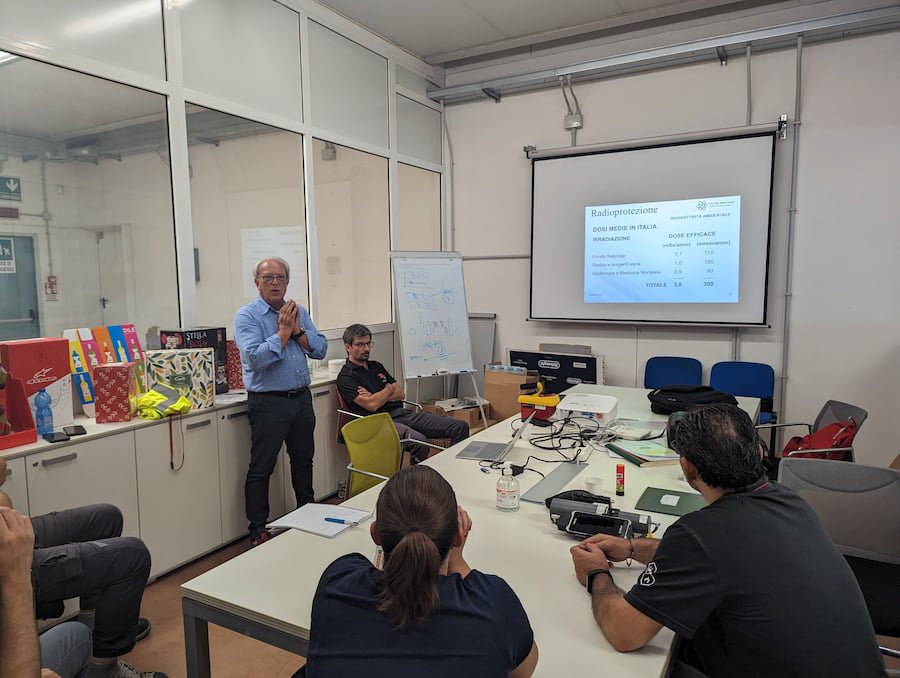
Training program
The radiological training programme requires specific skills and a clear view of the activities carried out by company staff: the structure of the programme must be carefully planned, covering a wide range of topics relevant to radiation protection.
The following is a generic example of a training programme.
- Introduction. Presentation of the basic elements of radiation protection, including basic principles, risks associated with exposure to radiation and relevant regulations.
- Principles of radiation protection. Participants should gain a solid understanding of the basic principles that guide radiation protection, including the concepts of dose, time and distance.
- Laws and regulations. A detailed overview of local and international regulations and rules is essential to ensure legal compliance and safety.
- Management of radioactive sources. The management, transport and safe disposal of radioactive sources is crucial to accident prevention.
- Measurement and control instruments. Training shall include the correct use of radiometric measurement and control tools to ensure effective surveillance.
- Emergency procedures. Participants should be trained on how to respond to radiation-related emergencies, including evacuation and first aid.
A well-structured training programme ensures that staff are equipped with the skills needed to work safely with radiation and contributes to a radiological safety culture.
The role of EDR in staff training
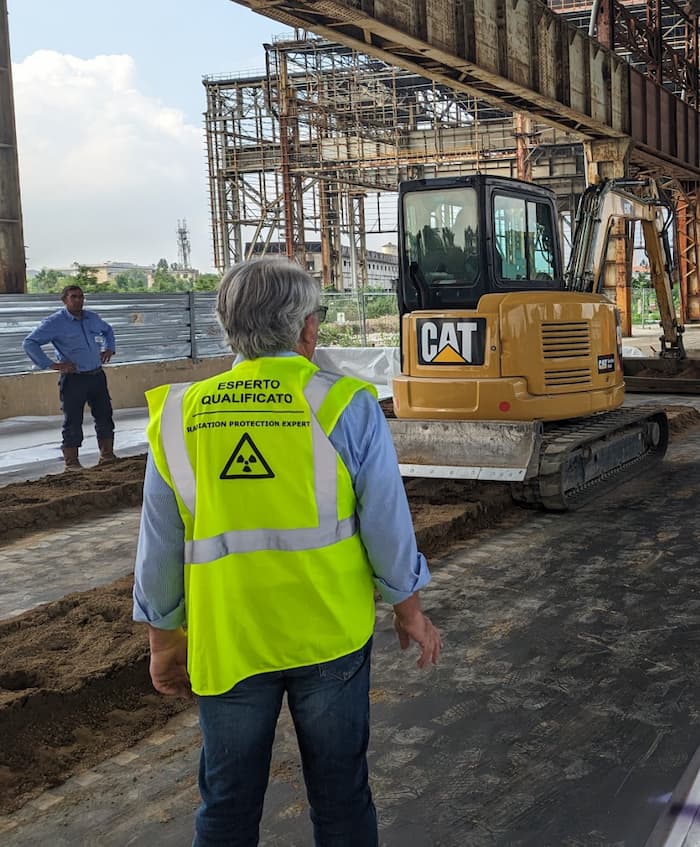
The EDR (Radiation Protection Expert) is the key figure providing specialist expertise and advice, ensuring that the training programme is adequate, comprehensive and in line with regulations.
Design of the training programme
The EDR is involved from the very beginning, contributing to the design of the training programme. Thanks to its in-depth knowledge of radiation protection regulations and practices, the EDR can identify specific risks associated with business activities and integrate this information into training content.
Adaptation to business needs
The EDR customizes the training programme to meet the specific needs of the company. This includes the assessment of activities involved in the use of ionising radiation and the creation of training modules that directly address the unique challenges and risks of each situation.
Regulatory updates
The expert is always up to date with new regulations and technologies in the field of ionising radiation. This ensures that the training program is always aligned with the latest industry developments, ensuring maximum relevance and regulatory compliance.
Monitoring and evaluation
During the implementation of the training programme, the EDR continuously monitors and evaluates the effectiveness of learning activities. This process allows corrections or improvements to be made to ensure optimal learning and acquisition of practical skills.
With Atlas Services we offer exactly this type of service.
Would you like more information on radiation protection training?
Please contact us at [email protected]
Call us at +39 0221103454