Radiometric monitoring is intended to measure the radioactivity of a material or environment.
In the context of a company, it is a procedure that ensures the safety of people and the environment from ionizing radiation by checking that the levels of radioactivity are always within the prescribed limits in relation to the characteristics of the environment.
In this article we will discuss the practical aspects of this procedure.
Goals of radiometric monitoring in the holding
Radiometric monitoring involves the measurement of radiation present in work areas, the identification and monitoring of radioactive sources used within the company. This allows preventive measures to be applied to reduce exposure to the lowest levels reasonably possible.
The data collected also allows us to identify any violations or irregularities in compliance with safety regulations and take appropriate corrective action.
We must therefore think about a concept of “control” understood as continuous monitoring, which should be carried out by experts able to adapt the surveillance procedures to the peculiarities of the activities carried out.
Planning and organization of radiometric checks
A strategic approach to planning radiometric monitoring involves the establishment of a recommended frequency and periodicity of testing for monitoring exposure to ionising radiation.
The recommended frequency of controls depends on several factors, including the type of activity performed, the quantity and type of radioactive substances involved and the risk associated.
High risk activities, such as the use of highly active radioactive sources, require more frequent monitoring than low risk activities.
Similarly, activities such as calibration of radiation measurement instruments or verification of personal protective equipment require frequent verifications.i.
In any case, it is important to take into account national and international standards and guidelines to determine the appropriate frequency.
Radiometric surveillance and regulatory compliance
Radiometric monitoring is regulated by a series of laws and directives aimed at ensuring safety and protection against ionising radiation.
At the international level, the International Atomic Energy Agency (IAEA) establishes globally recognized guidelines and standards for radiological safety. These include the Radiation Protection Code of Practice, which provides guidance on the control of radiation sources and the exposure of people.
At national level, each country has its own laws and regulations governing radiometric control. In Italy the regulations relating to radiometric monitoring are mainly regulated by national legislation and requirements established by the Agency for Environmental Protection and Technical Services (APAT), which is the government body responsible for regulating ionising radiation.
The main Italian legislation governing radiometric surveillance is Legislative Decree 187/2000, known as the Testo Unico sulla Sicurezza sul Lavoro. This decree lays down general rules for the protection of the health and safety of workers from risks arising from electromagnetic fields and ionising radiation, including radiometric surveillance.
Radiometric control professionals: the Radiation Protection Experts
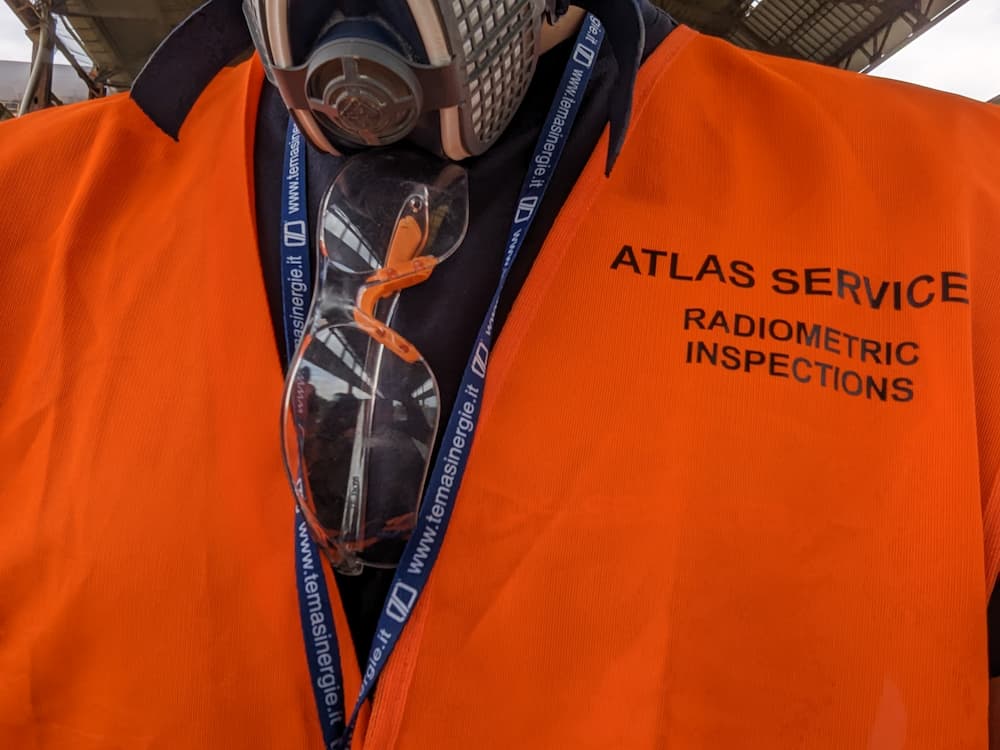
The professionals responsible for organising and carrying out radiometric monitoring are called Radiation Protection Experts and must have a range of specific skills.
First, knowledge of the regulations and directives governing the ionising radiation sector, essential to ensure compliance with radiological safety laws and to take appropriate protective measures.
The RDU must also have a solid understanding of radiation protection principles and practices, including knowledge of dose concepts, health effects of radiation, and radiation measurement and detection techniques.
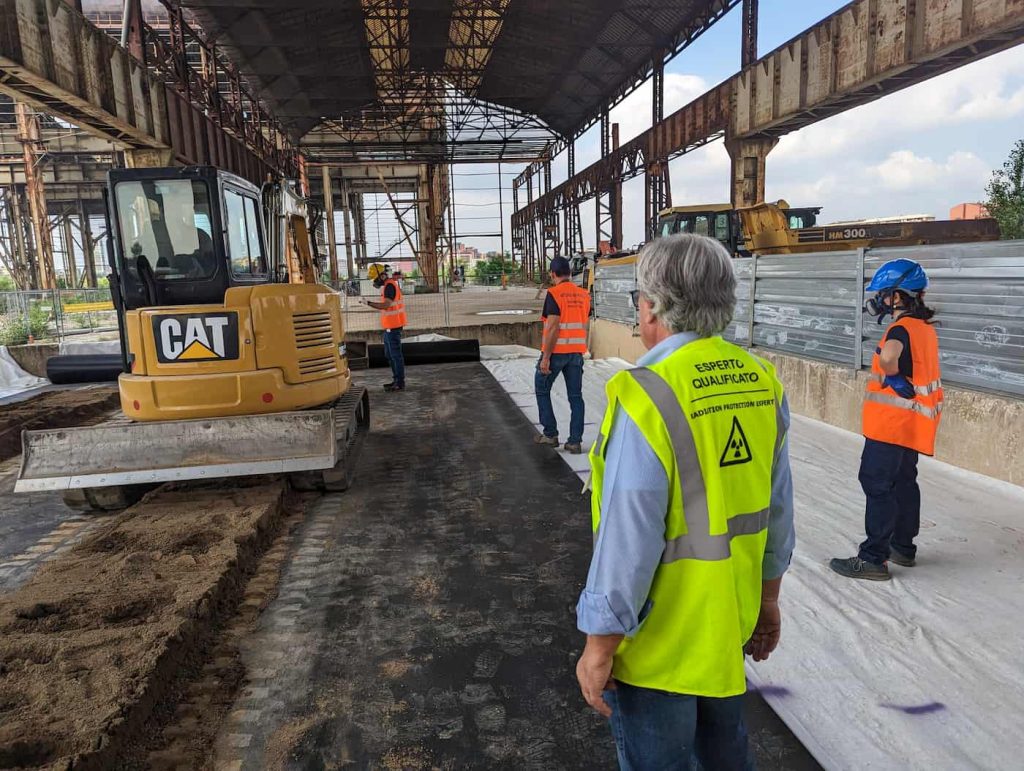
Key competence is the ability to use radiation measurement instruments, such as personal dosimeters, environmental dosimeters and Geiger counters. Operators must know how to properly calibrate them, know how to use them appropriately and be able to interpret the data collected to assess radiation exposure.
In addition to technical skills, the ability to communicate with company staff and work in teams are important: the best way to ensure safety and compliance with regulations is through synergy between the various figures involved.
Want more information on radiometric control?
Please contact us at [email protected]
Call us on +39 0221103454