The typical characteristics of gamma ray sterilization make it a reference technology in many industries involved in sterilization and it has been shown to have wide scope for applications as yet unknown.
The main advantages offered by gamma ray sterilization are the very high penetration power of this radiation and the modest thermal increase during the process (less than 5°C). This technique is applicable to already packaged heat-sensitive materials and offers numerous tests of compatibility with equally numerous application materials. We specify that the material does not become radioactive is this technique is suitable to be conducted as a continuous process.
Instead, we know that to enjoy the full benefits of this technique, it is necessary to employ professionals with vertical expertise who can guarantee optimal results in complete safety.
In this article we offer an introduction to gamma ray sterilization and some essential information for companies that use it.
Gamma ray sterilization: definition and purpose
Gamma ray sterilization is a process widely used to eliminate unwanted microorganisms from products and packages containing them through the use of very low temperatures.
This technique is based on the use of high-energy electromagnetic waves emitted by radioactive isotopes such as Cobalt-60 used by gamma irradiators and is intended to destroy or inactivate organisms such as bacteria, viruses, fungi and spores. This process is used in various fields, from health care to pharmaceuticals, to ensure the safety and hygiene of products.
One of the special features of Co60 gamma irradiators is that they harness electromagnetic energy with deep penetration capacity and from low dose rates. The amount of radiation emitted and received depends on the type of product and its dosage requirements.
Gamma ray sterilization is increasingly being talked about because, of the known radioisotope sources, they are the most versatile and widely used in industry because they are blocked only by lead or cement therefore lend themselves to the irradiation of all types of samples.
Gamma ray sterilization offers several advantages, such as its effectiveness in reaching even difficult-to-treat areas, the absence of chemical residues, and the ability to sterilize heat- or moisture-sensitive objects. However, it requires specialized equipment and proper management of radioactive waste.
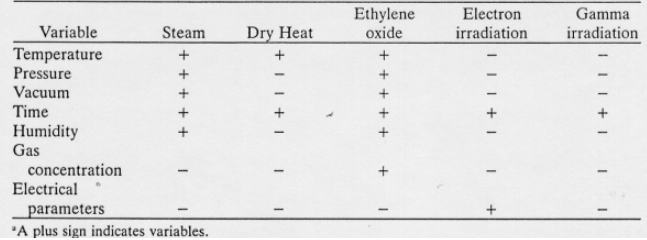
To better understand the features described up to this point and how advantageous gamma ray sterilization is, the following table is attached showing comparisons with different types of sterilization.
Gamma ray sterilization process: from preparation to quality control
The main sources of gamma rays for industrial applications are Cobalt-60 and Cesium-137.
Cobalt-60 which is by far the most widely used isotope, has a half-life of 5.3 years and is produced by neutron bombardment of Cobalt-59. Each 60Co atom that disintegrates emits a beta particle (up to 0.3 MeV) and two gamma photons of 11.17 and 11.33 MeV respectively producing a stable Nickel-60 atom.
Another isotope used is Cesium-137 but much less widely used than Co60 and much less widely used because it characteristically has a half-life of 30 years and is a fission product of Uranium. It emits a gamma photon of 0.6 MeV.
Therefore, the gamma ray sterilization procedure, although coming from a common radioisotope, is a complex process that requires careful preparation. This process consists of several steps, each of which plays a crucial role in the effectiveness of sterilization.
- The first step in the process is the preparation of the objects to be sterilized, which are properly packaged to allow gamma rays to pass through without compromising the integrity of the product.
- The packaged objects are placed inside the irradiation chamber. During this phase, radioactive isotopes emit gamma rays that penetrate the objects and inactivate the microorganisms present. The duration of irradiation depends on the complexity of the product and the level of sterilization required.
- The effectiveness of the sterilization is verified, with checks based on microbiological tests to ensure that no surviving microorganisms are present.
- Finally, instrumental controls are performed to monitor the radiation dose administered and ensure that it is in the appropriate range for sterilization.
The gamma ray sterilization process must comply with rules and regulations related to radiological safety and radioactive waste management. This, too, requires the use of specialized equipment and trained personnel.

Advantages of gamma ray sterilization
As we have mentioned, gamma ray sterilization is highly effective in destroying pathogenic microorganisms.
An important advantage of gamma ray sterilization is its ability to work in a wide range of materials, including medical devices, pharmaceuticals, food products, and packaging. There are no limitations related to the shape, size or complexity of the objects to be sterilized.
From a health point of view, sterilization by irradiation offers greater guarantees than the most common known treatments because:
- Installations and working environments are less hazardous;
- The treatment leaves no hazardous residue at the end of processing;
- The treatment takes place under normal conditions of humidity, pressure and temperature, and in any case these parameters can be varied, if necessary, as they do not affect the success of the process;
- It is possible to use packaging materials that provide an effective barrier to bacterial reabsorption and thus ensure sterility over time.
Gamma ray treatment can be dosed as desired, so it is even irreplaceable in the treatment of delicate products, when it is not essential to achieve sterility but is sufficient to reduce the bacterial load. In these cases, by adjusting the dose appropriately, one can achieve the desired reduction in bacterial load without appreciably degrading the product.
In addition, the gamma ray sterilization process is rapid and efficient. It can be performed on a large scale, enabling the sterilization of large quantities of products in a short time.
From a safety point of view, gamma ray sterilization leaves no chemical residue nor does it alter the physical or chemical properties of treated materials. It is also an environmentally friendly methodology, as it does not use harmful chemicals.
Finally, gamma ray sterilization is highly reliable and repeatable. The process can be validated and monitored through rigorous quality control to ensure compliance with current standards and regulations.

Applications of gamma ray sterilization in different industries
The use of gamma rays for sterilization has applications in a variety of areas. Here are some of the main applications in specific areas.
- Health care industry: gamma ray sterilization is widely used for the sterilization of medical devices such as syringes, needles, prostheses, surgical instruments and implants.
- Pharmaceutical industry: in the pharmaceutical industry, gamma ray sterilization is used for the processing of pharmaceutical products, such as tablets, capsules, vials, solutions and creams.
- Food industry: in this context, the procedure is used to ensure the safety and preservation of food. For example, it is used to sterilize spices, herbs, dried fruits, beverage ingredients and food packaging, helping to extend the shelf life of products.
- Cosmetics industry: sterilization of products such as creams, lotions, shampoos, personal hygiene products and makeup.
- Plastics industry: gamma rays are used to sterilize plastic materials used in medical devices, food packaging and consumer products.
How to choose the best partner
Choosing a sterilization service provider is a key step in ensuring the quality of the sterilization process. In this regard, there are several elements to consider.
It is important to evaluate experience and expertise of the potential partner. A provider with years of experience and an established reputation will be more likely to ensure the know-how needed to conduct the sterilization process properly.
Likewise, it is critical that the supplier is able to operate in a manner that complies with current industry rules and regulations and can exhibit certifications and permits required by law.
Before selecting a company, it is also advisable to request information on the quality assessment of the sterilization process. This may include documentation of quality controls, batch traceability, and adequate risk management.
Finally, given the nature of the service provided, a reputable partner should provide efficient customer service that can provide support, answer questions, and address any problems that may arise.
Do you want more information about gamma ray sterilization?
Contact us at [email protected]
Call us at +39 0221103454