
Industrial radiography uses high-energy X-rays to analyze the interior of materials, components, and structures without compromising their integrity.
This technology is based on equipment called industrial radiography accelerators, which generate electron beams converted into high-intensity ionizing radiation. Thanks to these systems, it is possible to perform precise quality controls and evaluations, finding applications in multiple sectors, from manufacturing to scientific research.
This article analyzes the main technical and regulatory requirements for the installation of accelerators, illustrates their advantages, and provides an overview of implementation costs.
What is an industrial radiography accelerator and what is it for?
Industrial radiography accelerators, also known as linear electron accelerators (linacs), are machines used to generate high-intensity X-rays through electron beams. These X-rays allow for specific operations on materials and components for various industrial and research purposes.
Specifically, linear accelerators are used in the following operations:
- Non-destructive testing (NDT) of large industrial components and structures;
- Sterilization processes for medical and food products;
- Oncology radiotherapy;
- Irradiation treatments used to modify or improve material properties.
At Atlas Services, we propose a wide range of linear electron accelerators intended for:
- Non-destructive testing (NDT);
- Irradiation and sterilization plants;
- Industrial radiography and tomography.
Technical and regulatory requirements for installation
The installation of an industrial radiography accelerator requires compliance with precise technical and regulatory requirements, which are essential to ensure safety, compliance, and optimal performance.
These are complex systems that must be carefully designed in full compliance with radiation protection regulations and relevant European directives. In Italy, radiation protection is governed by Legislative Decree 101/2020 (incorporating European Directive 2013/59/Euratom).
These regulations establish the fundamental principles of radiological safety:
- Justification: Every exposure must be justified by a benefit greater than the risk.
- Optimization: Doses must be kept as low as reasonably achievable (ALARA).
- Limitation: No exposure must exceed the limits set by law (Effective dose: 20 mSv/year).
Before starting the design of a plant using industrial radiography accelerators, it is necessary to obtain authorization from the competent authorities. For this reason, the involvement of a Radiation Protection Expert (RPE) is essential to ensure full compliance.
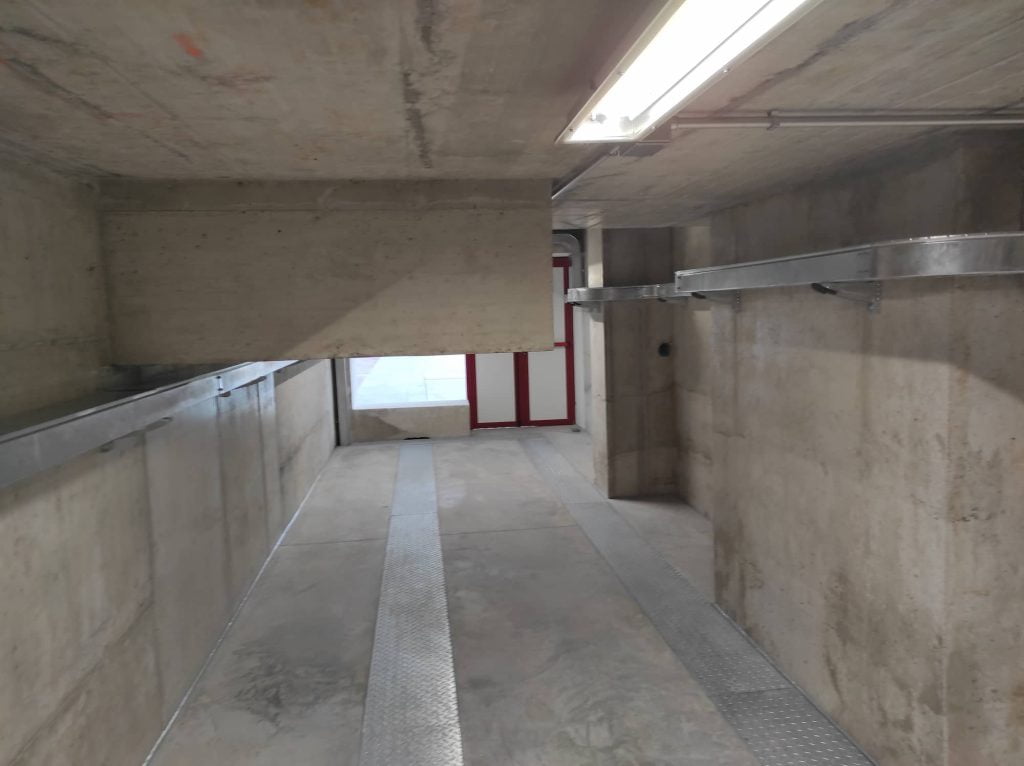
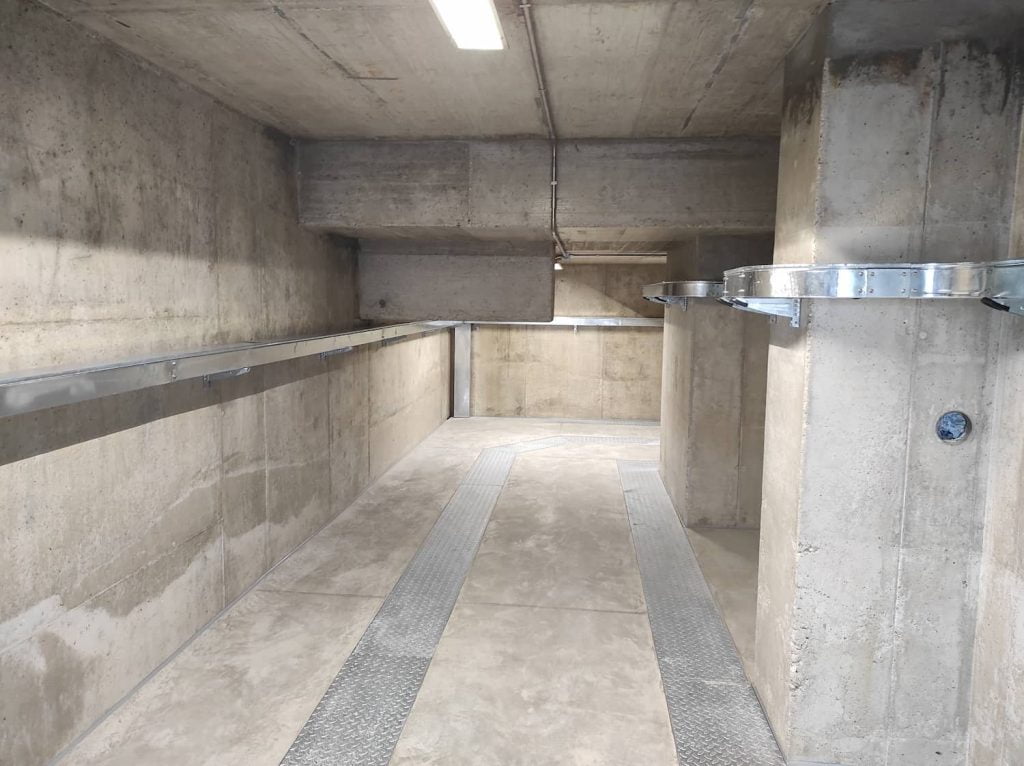
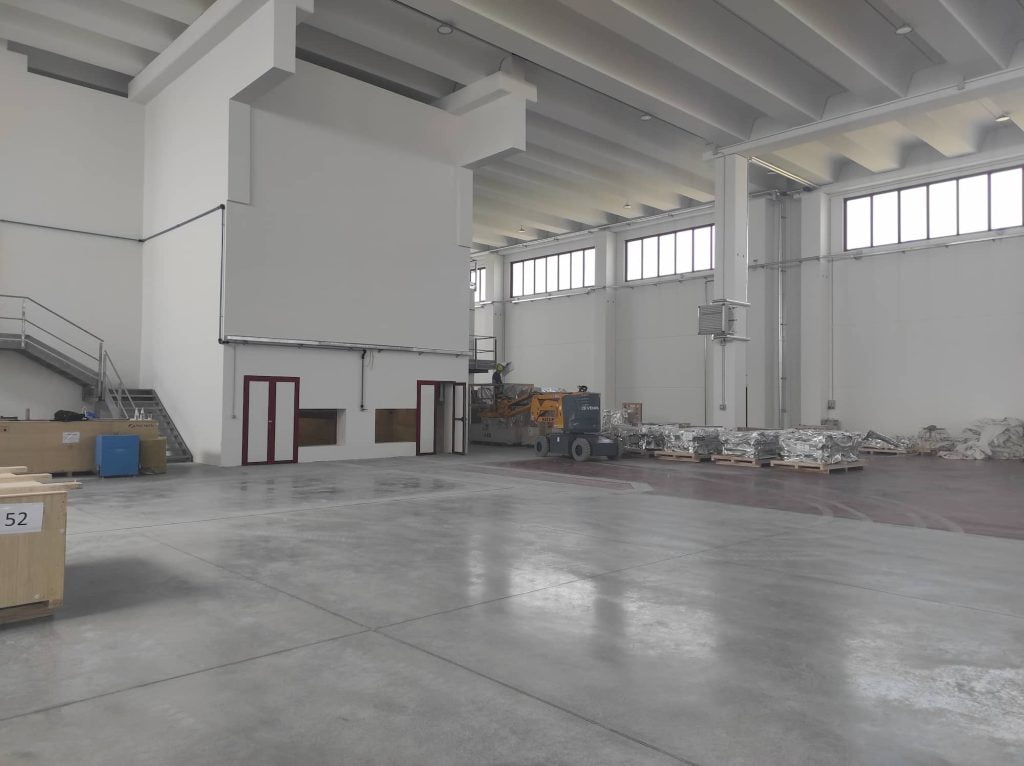
From a technical perspective, the environments must be appropriately sized to ensure sufficient space for the equipment and safe operations. A fundamental safety aspect is represented by radiation shielding systems: concrete bunkers or shielded cabins. These structures are made of high-density materials (reinforced concrete, lead, or steel) and allow for the containment of ionizing radiation.
Employer obligations also include:
- Risk assessment and periodic radiation protection audits;
- Specific and periodic staff training;
- Mandatory safety signage;
- Constant monitoring of environmental parameters;
- Appointment of a qualified Radiation Protection Expert.
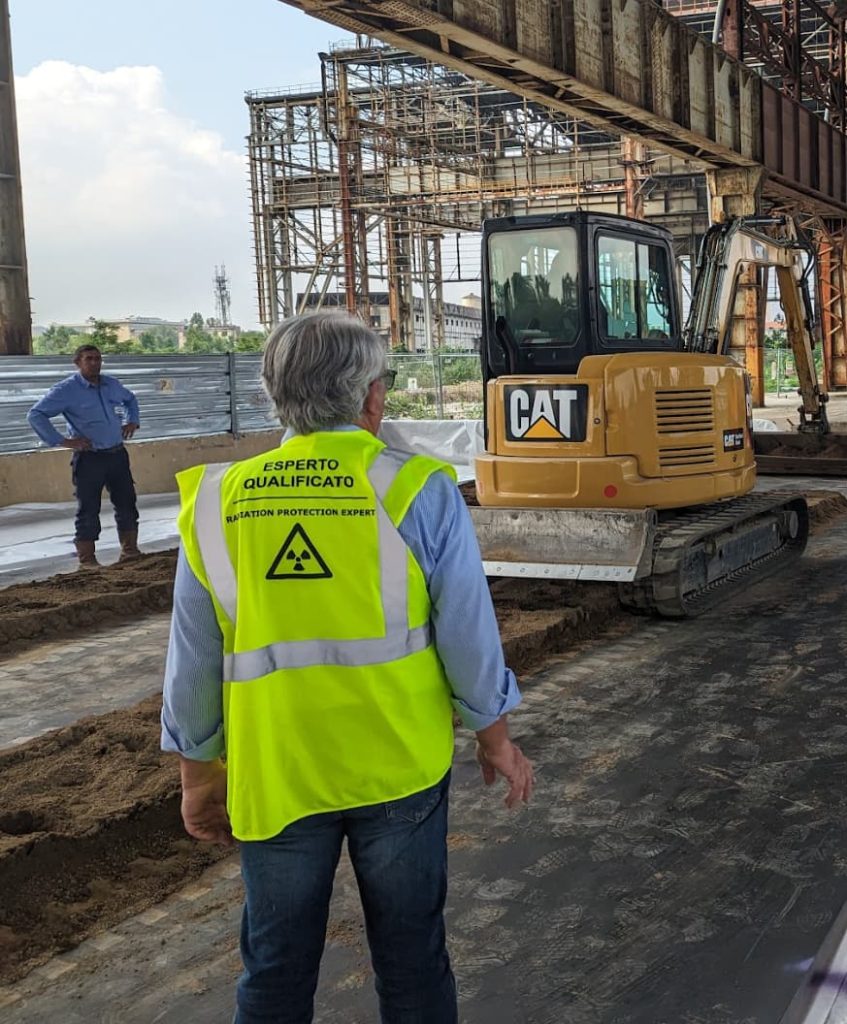
Shielded bunkers and cabins: The foundation of radiation protection
Radiation protection is a central element in the design and use of industrial radiography accelerators. To ensure operational safety, environments must be designed to contain ionizing radiation and prevent any dispersion outside the work areas.
Shielded cabins and bunkers, built with first-melt lead or high-density reinforced concrete, ensure compliance with the exposure limits set by current regulations. Beyond protection, these shielding systems are designed to optimize workflows and facilitate control and maintenance operations on the accelerators.
Advantages of using industrial radiography accelerators
In the field of industrial radiography, various technologies generate high-energy X-rays, such as traditional X-ray tubes or Betatrons. However, linear electron accelerators currently represent one of the most advanced and versatile solutions.
High-intensity linear accelerators are the most widespread in the industrial field because they offer superior technical advantages, including:
- Operational speed: They deliver high radiation doses in reduced times, significantly increasing productivity.
- Image precision and quality: The ability to focus the radiation beam ensures detailed analysis even on complex structures.
- Greater penetration capacity: High-energy X-rays allow for the inspection of larger and denser objects compared to traditional systems.
- Flexibility and customization: Industrial radiography accelerators can be tailored to specific production or research needs.
Installation and maintenance costs
The cost of an industrial radiography accelerator can vary significantly based on technical characteristics, required performance, and the context of use. There is no standard fixed price: every plant is custom-designed.
Main variables influencing the price include:
- The type of accelerator and beam energy level;
- Dimensions and system complexity;
- Radiation protection accessories and shielded cabin design.
Estimated Cost: A new linear accelerator can cost between €1 million and over €5 million.
In addition to installation costs, maintenance is fundamental to ensure efficiency and safety. Atlas Services offers ordinary and extraordinary maintenance services performed by specialized technicians.
Because the installation of an accelerator requires an accurate assessment of space, power, and shielding, we recommend consulting a radiation protection expert to identify the most suitable configuration for your project.
Are you looking for more information on industrial radiography accelerators and implementation costs?
Contact us for a quote: [email protected]
Call us at: +39 0221103454